In the dynamic landscape of international trade, the safe and intact delivery of goods from the production workshop to the hands of overseas customers is a crucial link that directly affects customer satisfaction, brand reputation and the overall efficiency of trade operations. Among them, the shipment packaging process, as the last line of defense for goods during transportation, has always been highly valued by foreign trade enterprises. Recently, our company has further optimized and standardized the entire shipment packaging process, covering every detail from product packing into cartons to wooden case nailing. This set of scientific and rigorous packaging procedures not only ensures the safety of goods during long-distance sea, land and air transportation but also improves packaging efficiency, laying a solid foundation for the smooth development of foreign trade business. Today, we will take an in-depth look at this standardized shipment packaging process that integrates safety, efficiency and standardization.
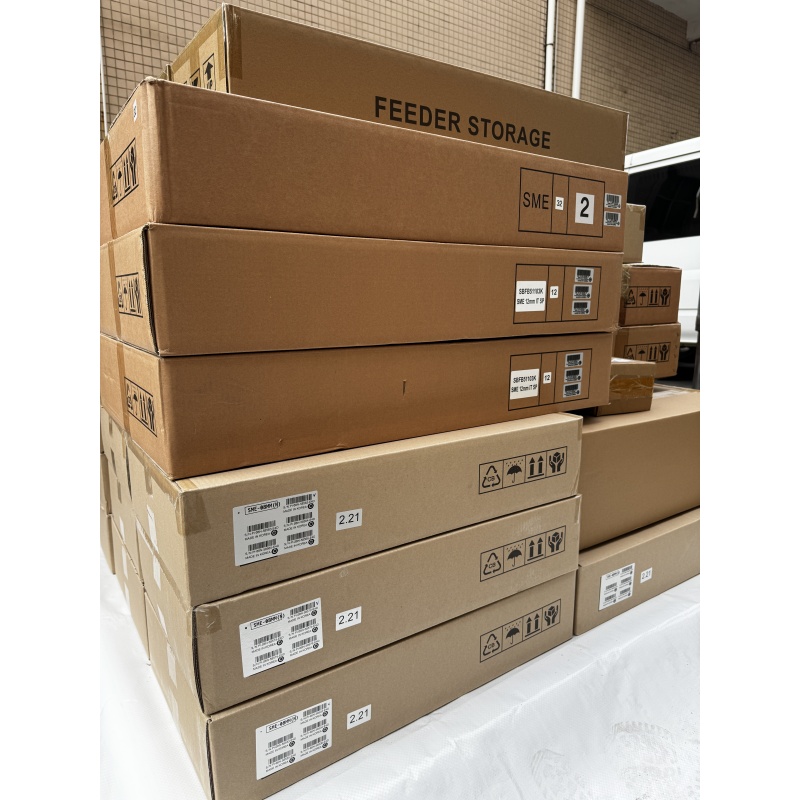
The first step in the shipment packaging process is product packing into cartons, which is the initial link of product protection. Before packing, the packaging team will first conduct a comprehensive inspection of the finished products to ensure that each product meets the quality standards and has no defects such as scratches, damages or missing parts. At the same time, the cartons used for packaging are specially customized according to the size, weight and characteristics of the products. During the packing process, the operators will place the products in the cartons in an orderly manner according to the pre-designed placement plan. For fragile products, additional buffer materials such as foam pads, bubble wrap or pearl cotton will be placed around the products to fill the gaps between the products and the cartons, preventing the products from colliding and rubbing against each other inside the cartons during transportation. After the products are placed, the operators will gently press the carton covers to ensure that the cartons are tightly sealed without looseness. Finally, the cartons are sealed with high-quality adhesive tape, and the sealing position is pressed firmly to ensure that the cartons will not open during transportation.
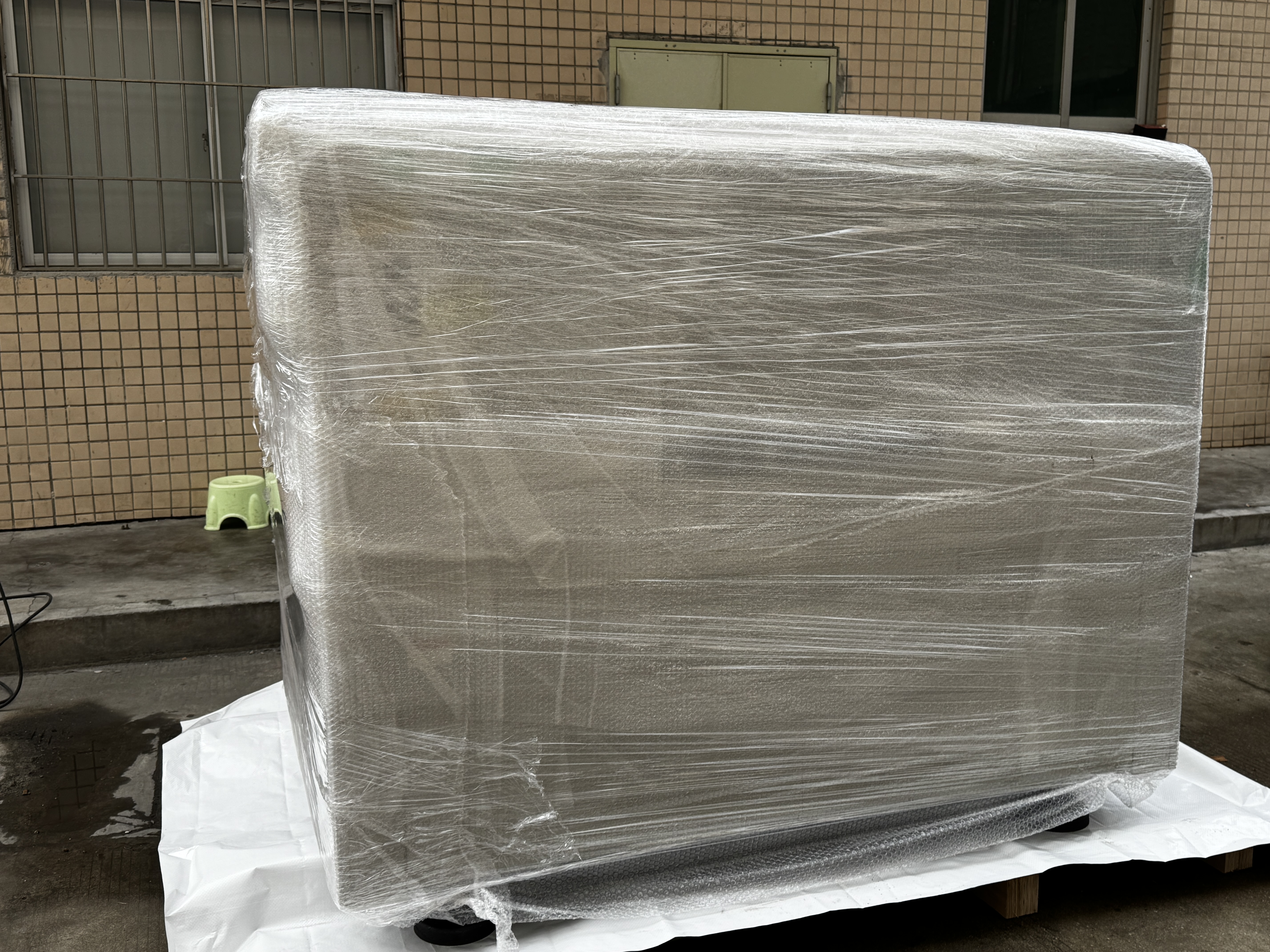
After the products are packed into cartons, the next step is wrapping the cartons with stretch film. The main purpose of this link is to further enhance the stability of the cartons and provide a certain degree of waterproof and dustproof protection. During the wrapping process, the operators fix one end of the stretch film on the carton, and then rotate the carton at a uniform speed while pulling the stretch film. The stretch film is wrapped around the carton layer by layer.The wrapping tension is strictly controlled to avoid damaging the cartons due to excessive tension, while ensuring that the cartons are tightly wrapped and integrated. For multiple cartons that need to be transported together, the operators will wrap them into a whole with stretch film, which not only improves the stability of the goods but also facilitates subsequent handling and loading and unloading operations. After wrapping, the end of the stretch film is firmly attached to the wrapped carton to prevent the film from loosening during transportation.

Following the stretch film wrapping, the process moves to covering the wrapped cartons with aluminum foil bags. Aluminum foil bags have the characteristics of moisture resistance, oxygen resistance, light resistance and high barrier property, which can effectively protect the goods from the influence of external environmental factors such as moisture, oxygen and sunlight. Especially for goods that are sensitive to the environment, such as electronic products, food, medicines and chemical products, aluminum foil bag packaging is an important protective measure. Before covering, the operators will select aluminum foil bags of appropriate size according to the size of the wrapped cartons. The aluminum foil bags are pre-checked to ensure that there are no holes, tears or other defects. During the covering process, the operators carefully put the wrapped cartons into the aluminum foil bags, ensuring that the cartons are completely covered by the aluminum foil bags without partial exposure. For larger cartons, two operators will cooperate to complete the covering operation to avoid damaging the aluminum foil bags due to improper operation. After the cartons are put into the aluminum foil bags, the operators will sort out the opening of the aluminum foil bags to prepare for the subsequent sealing process.
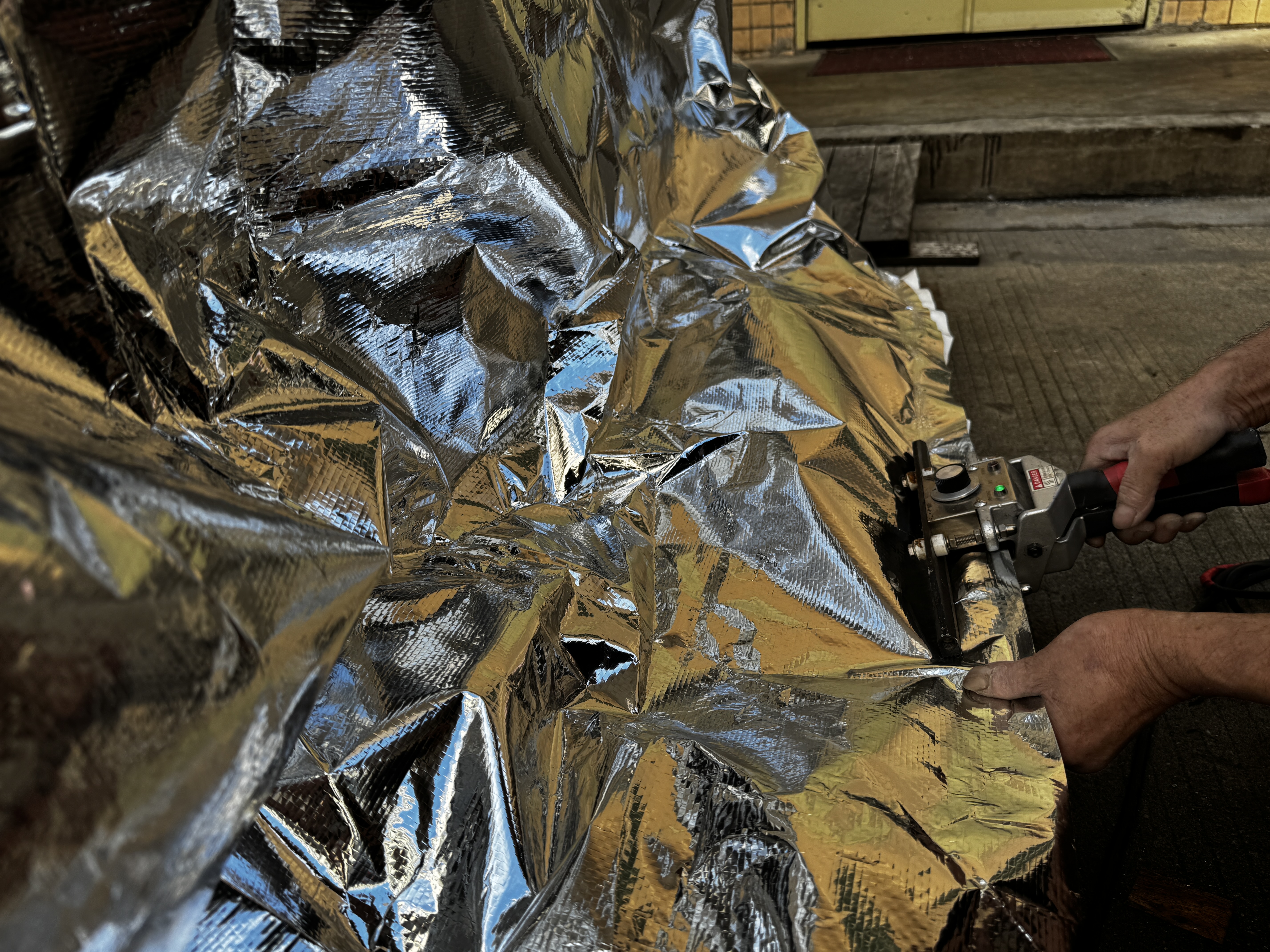
Once the aluminum foil bags are in place, the next critical step is
sealing the aluminum foil bags with a sealing machine. Sealing quality directly affects the barrier effect of the aluminum foil bags. The sealing machine used by the company is an automatic continuous sealing machine with high sealing efficiency and stable sealing quality. Before sealing, the operators will adjust the temperature and pressure of the sealing machine according to the thickness and material of the aluminum foil bags. The temperature is generally controlled between 180°C and 220°C, and the pressure is adjusted according to the actual situation to ensure that the sealing is firm and tight. During the sealing process, the operators put the opening of the aluminum foil bag into the sealing port of the sealing machine. The sealing machine automatically heats the sealing port and applies uniform pressure to make the two layers of the aluminum foil bag melt and bond together. After sealing, the operators will check the sealing edge carefully.
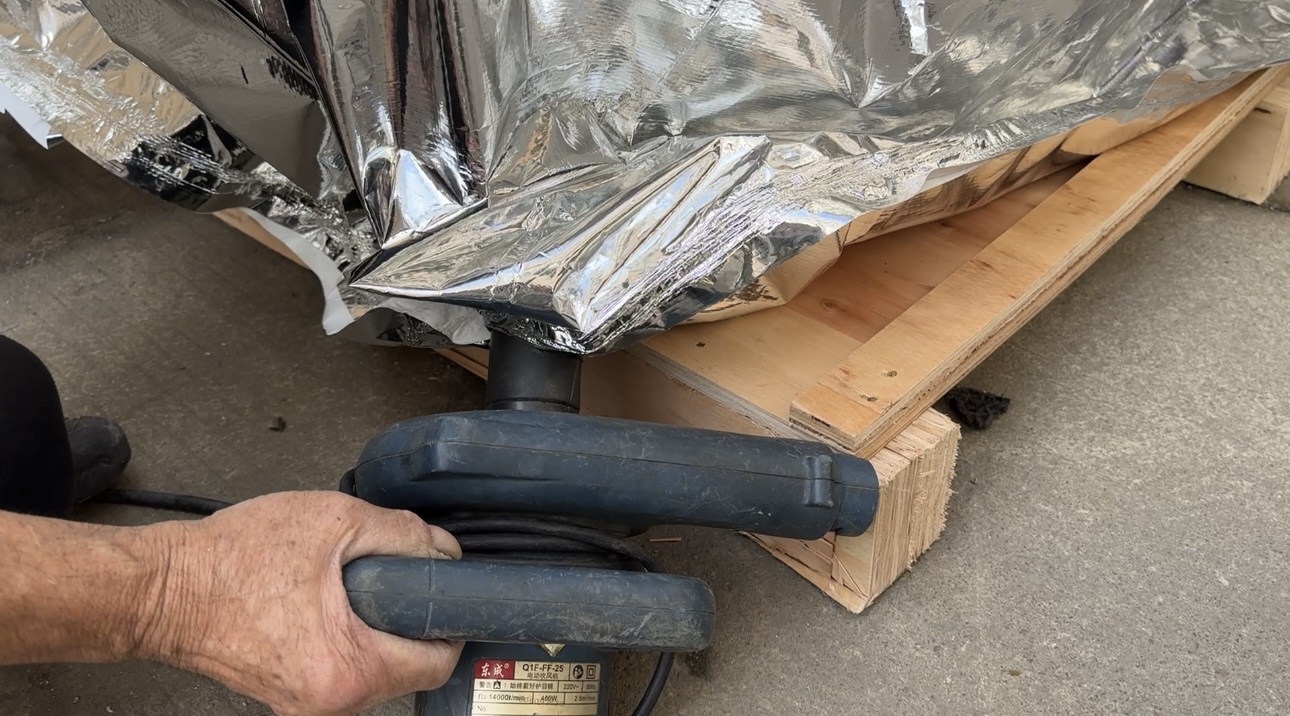
To further enhance the protective effect of the aluminum foil bag packaging, the company has added a key link on the basis of the traditional process: extracting air from the bags with a vacuum machine. This link is particularly important for goods that are sensitive to moisture and oxygen, as well as goods that need to reduce the volume of packaging.Before air extraction, the operators will check whether the sealed part of the aluminum foil bag is firm to avoid air leakage during the air extraction process. Then, they will put the air extraction nozzle of the vacuum machine into the reserved small opening of the aluminum foil bag (the small opening will be sealed again after air extraction) and start the machine. During the air extraction process, the operators will closely observe the state of the aluminum foil bag, controlling the degree of vacuum according to the characteristics of the goods. For goods that are afraid of pressure, such as soft accessories and clothing, a moderate vacuum degree is adopted to avoid crushing the goods; for hard goods such as metal parts, a high vacuum degree is used to make the aluminum foil bag closely attach to the carton surface, further enhancing the stability. After the air extraction is completed, the operators will immediately seal the reserved small opening with a hand-held sealing machine, ensuring that the aluminum foil bag is in a fully vacuum-sealed state, which can effectively prevent moisture, oxygen and other harmful gases from entering the bag and damaging the goods.
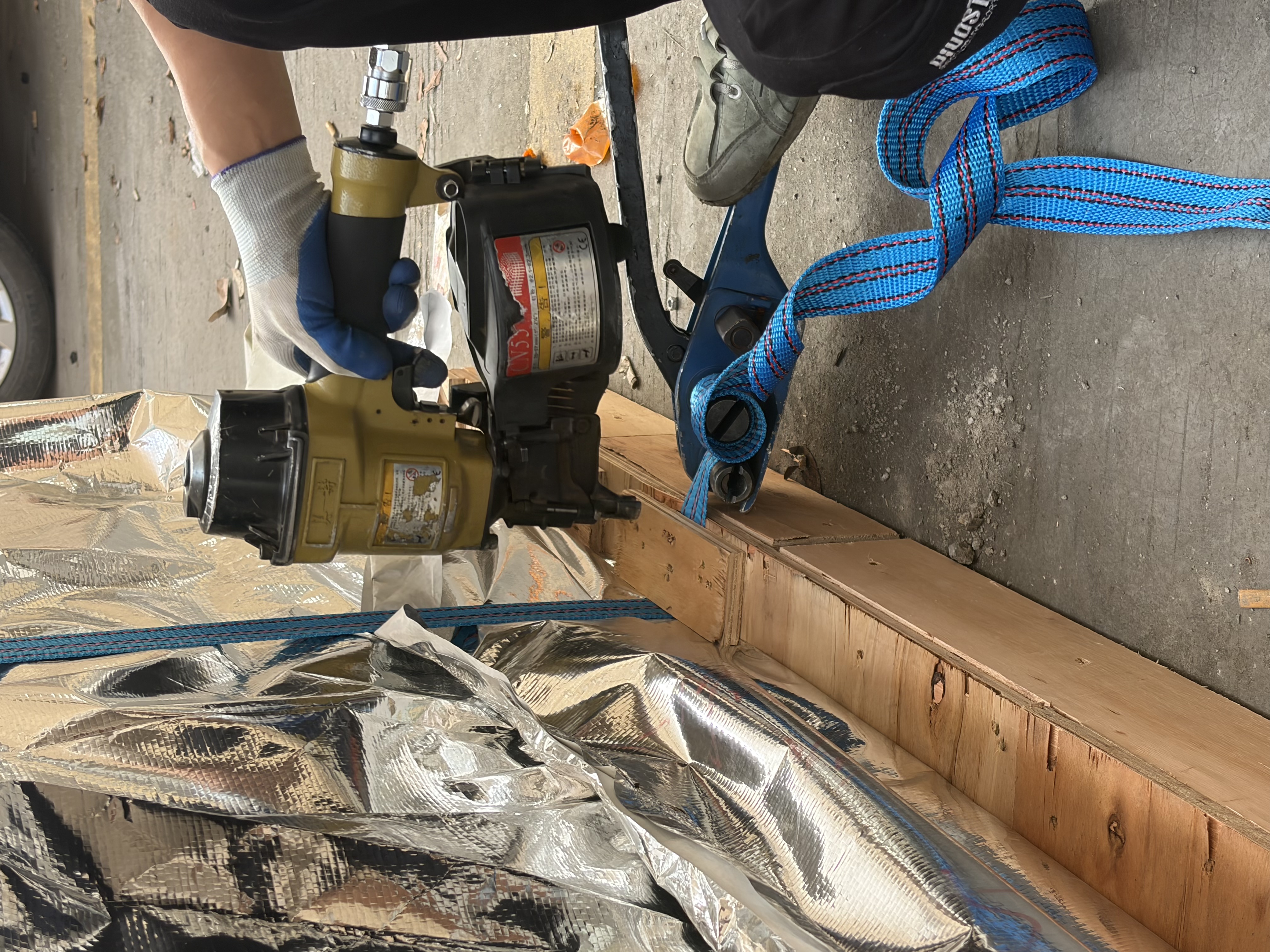
After the aluminum foil bags are sealed, the process proceeds to fixing the goods with ropes and small pieces of wood. This link is mainly to further enhance the stability of the goods inside the subsequent wooden cases and prevent the goods from shifting or tilting during transportation.The small pieces of wood are made of solid wood with good hardness and toughness, which are cut into appropriate sizes and shapes according to the actual needs of the goods. During the fixing process, the operators first place the goods wrapped in aluminum foil bags on the pre-prepared wooden base. Then, they place small pieces of wood around the goods to form a positioning frame, which limits the movement range of the goods. Next, the operators use ropes to bind the goods and the small pieces of wood tightly.The tightness of the binding is strictly controlled to ensure that the goods do not move, while avoiding damaging the goods or the aluminum foil bags due to excessive binding force. After binding, the operators will check the binding situation again, and if there is any looseness, they will re-bind immediately.
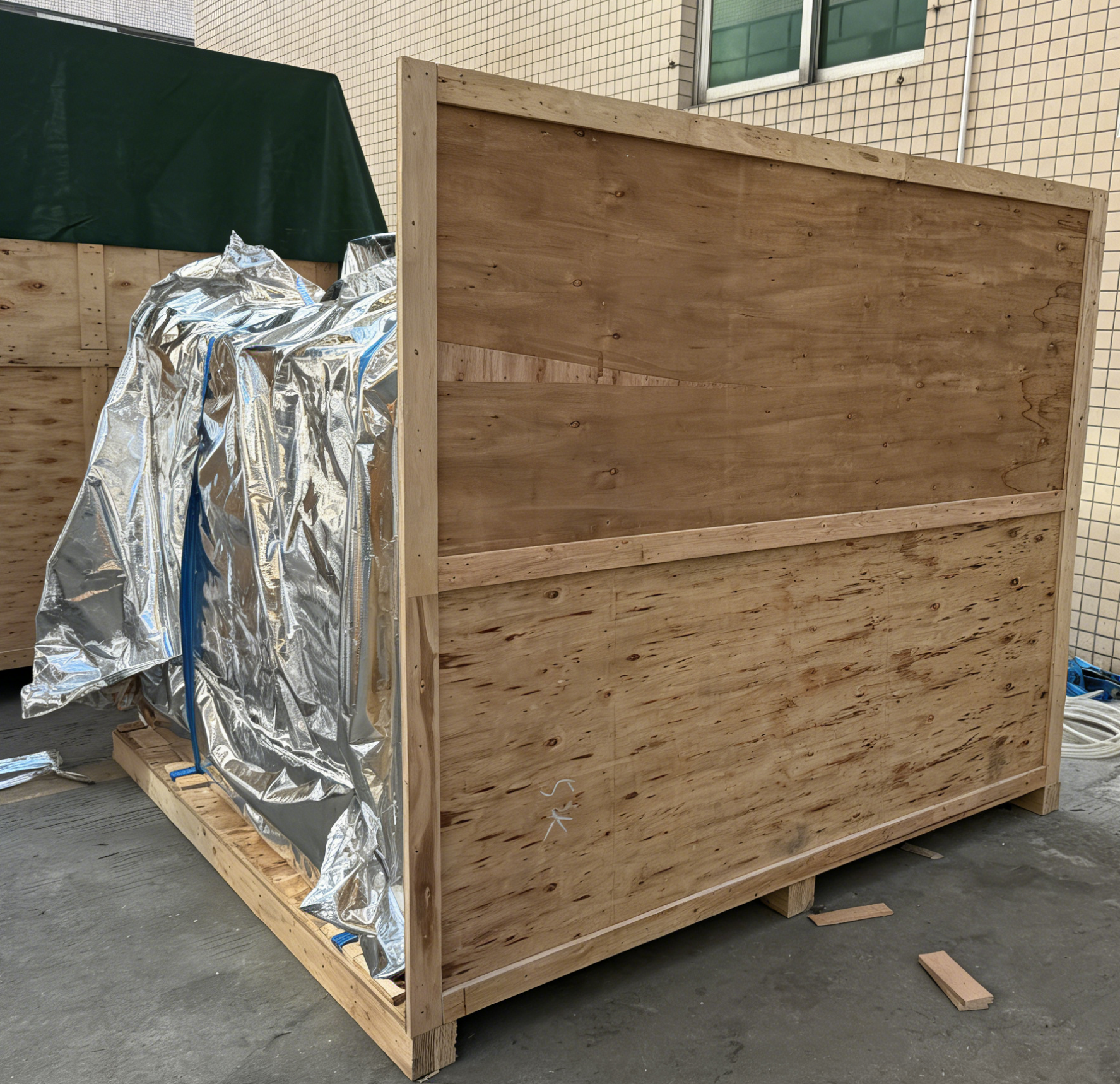
The final step of the entire shipment packaging process is nailing the wooden planks into wooden cases with nails, which is the last and most important protective measure for the goods. The wooden planks used for making wooden cases are made of high-quality solid wood that has been dried and insect-proof treated, which meets the international packaging material standards and can avoid the spread of pests and diseases.Before nailing, the operators will assemble the wooden planks into a wooden case frame according to the size of the goods.Then, the operators place the fixed goods into the wooden case frame, and adjust the position of the goods to ensure that the goods are in the center of the wooden case and there is no obvious gap between the goods and the frame. Next, the operators nail the side planks and top planks of the wooden case to the frame one by one. During the nailing process, the nails are driven vertically into the wooden planks, and the spacing between the nails is controlled at about 10-15 cm to ensure that the wooden case is firm and stable.
In the context of increasingly fierce international trade competition, the quality of shipment packaging has become an important factor affecting the development of foreign trade enterprises. Our company has always adhered to the concept of “customer-centric, quality first”, and continuously optimized and improved the shipment packaging process to provide customers with safer and more reliable transportation guarantee. In the future, the company will continue to pay attention to the latest trends and technologies in international packaging, introduce more advanced packaging materials and equipment, further improve the level of shipment packaging, and make greater contributions to the sustainable development of the foreign trade business.
In conclusion, the shipment packaging process from product carton packing, stretch film wrapping, aluminum foil bag covering, sealing machine sealing, vacuum machine air extraction, rope and small wood fixing to wooden case nailing is a systematic project that requires close cooperation between each link and strict quality control. Every link is interlocking and indispensable. Only by doing a good job in every detail of the packaging process can we effectively ensure the safe and intact delivery of goods, enhance customer trust, and promote the healthy development of foreign trade business. The practice of our company has fully proved that the standardized, systematic and scientific full-process shipment packaging is an important guarantee for the success of foreign trade operations, and will continue to play a key role in the future development of the company’s foreign trade business.
Post time: Dec-22-2025